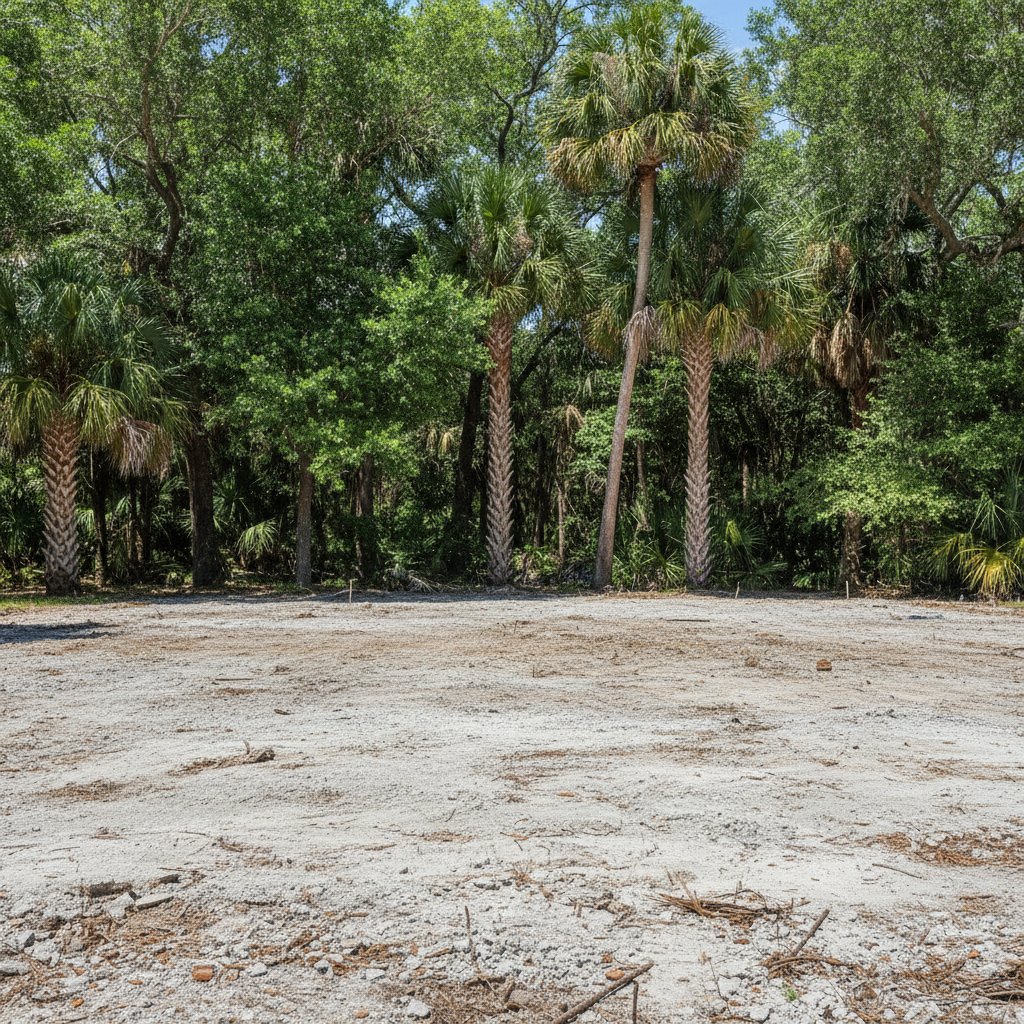
So, you've finally gotten rid of that old shed, maybe a house damaged by a hurricane, or that crumbling concrete patio. The big machines have packed up, the dust has settled, and you're left with what looks like a blank slate. But here's the thing: a demolition site, especially here in Pensacola, isn't truly 'done' just because the debris is gone. You still need to keep an eye on things if you want that cleared land to stay safe and ready for whatever comes next.
Making Your Demolition Work Last
When I talk about 'making the work last,' I really mean keeping that cleared space stable and stopping future problems before they start. The biggest part of this? Good grading and drainage. We get a ton of rain in Pensacola, especially during hurricane season, don't we? If your site isn't graded right, water will just sit there, erode the soil, and cause all sorts of headaches. We always make sure to slope the ground away from any existing buildings or property lines, creating a gentle grade so water runs off naturally.
Another huge factor is soil compaction. After we've pulled out old foundations or big concrete slabs, there are always going to be empty spaces. We fill those in with good, clean soil and then compact it down hard. This stops the ground from settling later, which can be a real pain if you're planning to build there or even just put in a new lawn. You definitely don't want your brand-new driveway cracking because the ground underneath decided to sink a few inches a year down the road.
Regular Check-ups: What You Should Be Doing
Keeping a demolition site in good shape isn't like changing your car's oil, but it's still super important. Here’s what you ought to be doing:
- Check the Drainage: After a big rain, take a walk around the property. Are new puddles forming? Is water flowing off like it should, or is it collecting in certain spots? If you see new pooling, you might have a settling issue or a blocked path for the water.
- Look for Erosion: Keep an eye out for ruts or areas that have washed away, especially on slopes. Our sandy soil here in Pensacola can disappear fast if it’s not protected. If you've got exposed soil, think about laying sod or planting some ground cover pretty quickly. It really helps hold everything together.
- Keep it Tidy: Don't let new junk, like fallen branches or construction waste from another project, pile up. It can block drainage and just makes the site look neglected.
- Watch for Settling: Over time, especially where foundations were removed, you might notice slight dips. These are usually small, but if they're significant, it's a sign the backfill wasn't packed enough or there’s a bigger problem underneath.
- Pest Control: A cleared site can still attract pests if there's any leftover organic stuff or standing water. Keep an eye out for ant mounds or signs of rodents.
Red Flags: Warning Signs of Trouble
You're not a demolition expert, and that's okay. But you can certainly spot the warning signs. Here’s what to look for:
- Lots of Standing Water: I'm talking about water that just sits there for a day or two, especially if it's in a spot that used to be dry. This is a major red flag.
- Deep Cracks or Sinking: If you see cracks forming in the ground or areas sinking more than an inch or two, that's a problem. It means the soil isn't stable.
- Exposed Utilities: We always cap and bury utilities correctly, but sometimes things shift. If you spot an old pipe or wire poking out of the ground, don't touch it – just call someone.
- Strange Smells: This is rare, but if you smell something foul or chemical, it could mean something was buried wrong or a utility line is leaking.
- New Foundation Cracks Nearby: If you had a structure torn down right next to another existing building, keep an eye on that building's foundation. While rare with proper demolition, ground movement can sometimes cause stress.
When to Call in the Pros
Look, you're not expected to fix these things yourself. That's exactly what we're here for. You should call a professional, like us at Midway Demolition, if you see any of those warning signs. Seriously, don't wait. A small drainage issue can quickly turn into a massive erosion problem, and a little bit of settling can become a huge headache if you're trying to build on that spot. If you're unsure, just pick up the phone. We're always happy to come out and take a look. It's truly better to be safe than sorry, especially when you're dealing with the ground your future projects will sit on.
Sometimes it's just a quick fix, other times it might mean regrading a section or adding more compacted fill. But catching it early saves you money and stress down the line. We've seen it all, from minor settling after a particularly wet summer to significant erosion near the bayou from a site that wasn't managed well. Don't let your cleared land become just another problem you have to deal with.