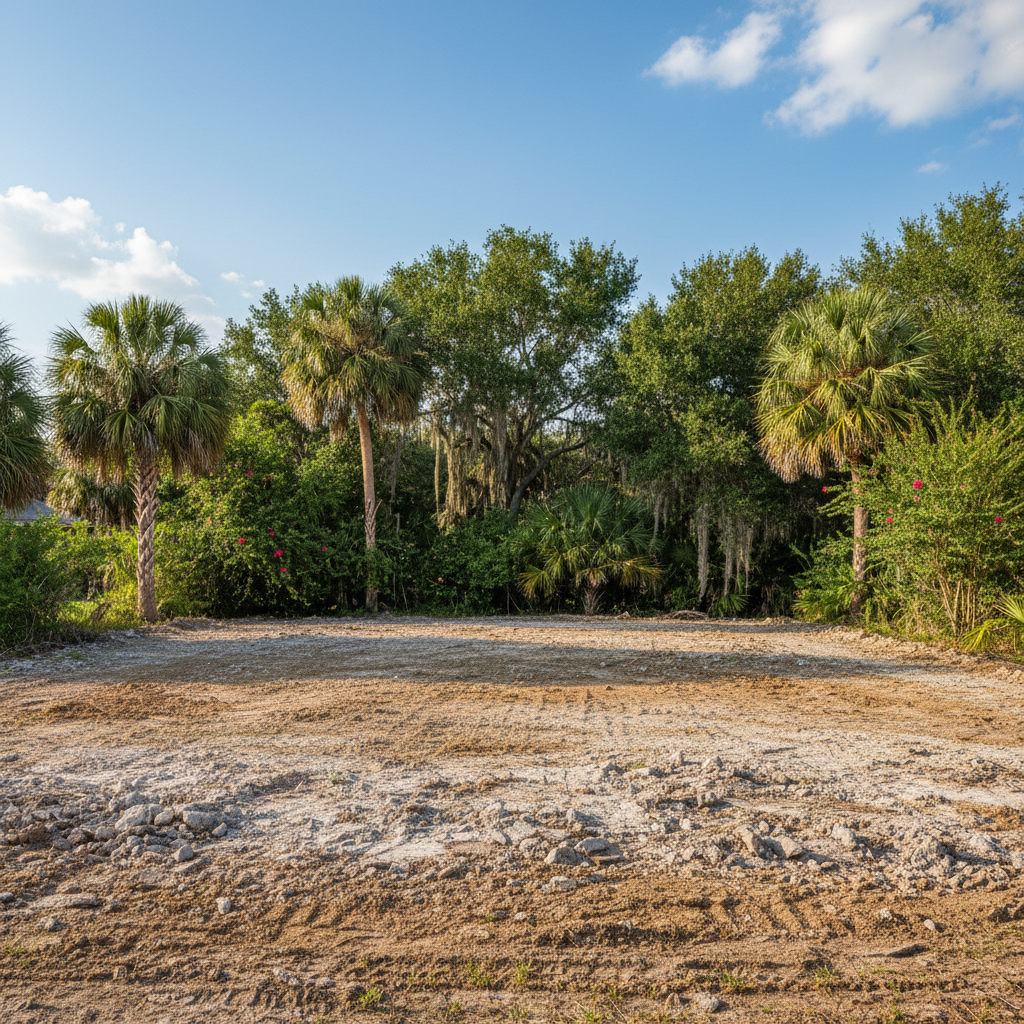
You've decided it's time to clear a lot, expand your yard, or get rid of that old shed that's seen better days. Demolition sounds simple enough, right? Just knock it down and haul it away. Well, I've been doing this for a long time here in Pensacola, and let me tell you, it's rarely that straightforward. I've seen homeowners make some real head-scratching mistakes that end up costing them a fortune, or worse, landing them in hot water with the city.
Ignoring Permits and Regulations
This is probably the biggest one. People think, 'It's my property, I can do what I want.' Not quite. In Escambia County, and especially within Pensacola city limits, there are specific permits you need for demolition, even for small structures. You can't just start swinging a sledgehammer. There are rules about dust control, noise, and how you dispose of debris. If you don't pull the right permits, you could face fines, stop-work orders, and delays that push your project way over budget. It's not just about the structure itself; it's about what's around it and how it impacts the neighborhood. Always check with the city or county planning department first. They're not trying to make your life hard; they're trying to keep everyone safe and things orderly.
Not Checking for Utilities
This one can be dangerous. You wouldn't believe how many times people forget about buried utility lines. Gas, water, sewer, electrical – they're all under there. Hitting a gas line? That's an emergency. Cutting a main sewer line? You're looking at a huge mess and an even bigger bill. Before any demolition starts, you absolutely need to call 811. It's a free service, and they'll come out and mark all the underground utility lines on your property. Don't skip this step. It's not just about avoiding a utility outage; it's about preventing serious injury or even death.
Hiring the Cheapest Bid
I get it, everyone wants to save a buck. But when it comes to demolition, the cheapest bid is almost never the best. What are they cutting corners on? Often, it's insurance, proper equipment, or safe disposal practices. A reputable contractor, like us at Midway Demolition, carries liability insurance and workers' compensation. If someone gets hurt on your property and they're not properly insured, guess who's on the hook? You are. If they illegally dump debris, you could be fined. Ask for proof of insurance, licenses, and references. A good contractor will be transparent about their costs and what's included. They'll also give you a clear timeline and explain the process.
Underestimating Debris Disposal
Demolition creates a lot of waste. And I mean a lot. You can't just throw construction and demolition debris in your regular trash can. There are specific landfills for it, and there are costs associated with hauling and tipping fees. Some materials, like asbestos or lead paint, require special handling and disposal, which adds to the expense. If your contractor's bid seems too low, they might not be accounting for proper disposal, and that's a problem you don't want to inherit. Make sure your contract specifies how and where debris will be disposed of.
Ignoring Environmental Factors
Pensacola's got its own unique challenges. We're on the coast, and we get our share of rain and hurricanes. If you're demolishing a structure, especially an older one, you need to consider what's in the soil, what's in the building materials, and how the weather might affect things. For example, if you're tearing down an old house near Bayou Grande, you might have to deal with specific environmental regulations related to runoff or sediment control. Old homes here often have asbestos in popcorn ceilings or siding, or lead paint. You can't just pulverize that stuff and let it blow away. You need professionals who know how to identify and safely remove these hazardous materials before demolition begins. It's not just about legal compliance; it's about protecting your family and your neighbors from potential health risks.
Look, demolition isn't a DIY project for most folks. There's a lot more to it than just knocking down walls. Do your homework, ask the right questions, and don't be afraid to walk away from a deal that feels off. It'll save you a lot of grief and money in the long run.