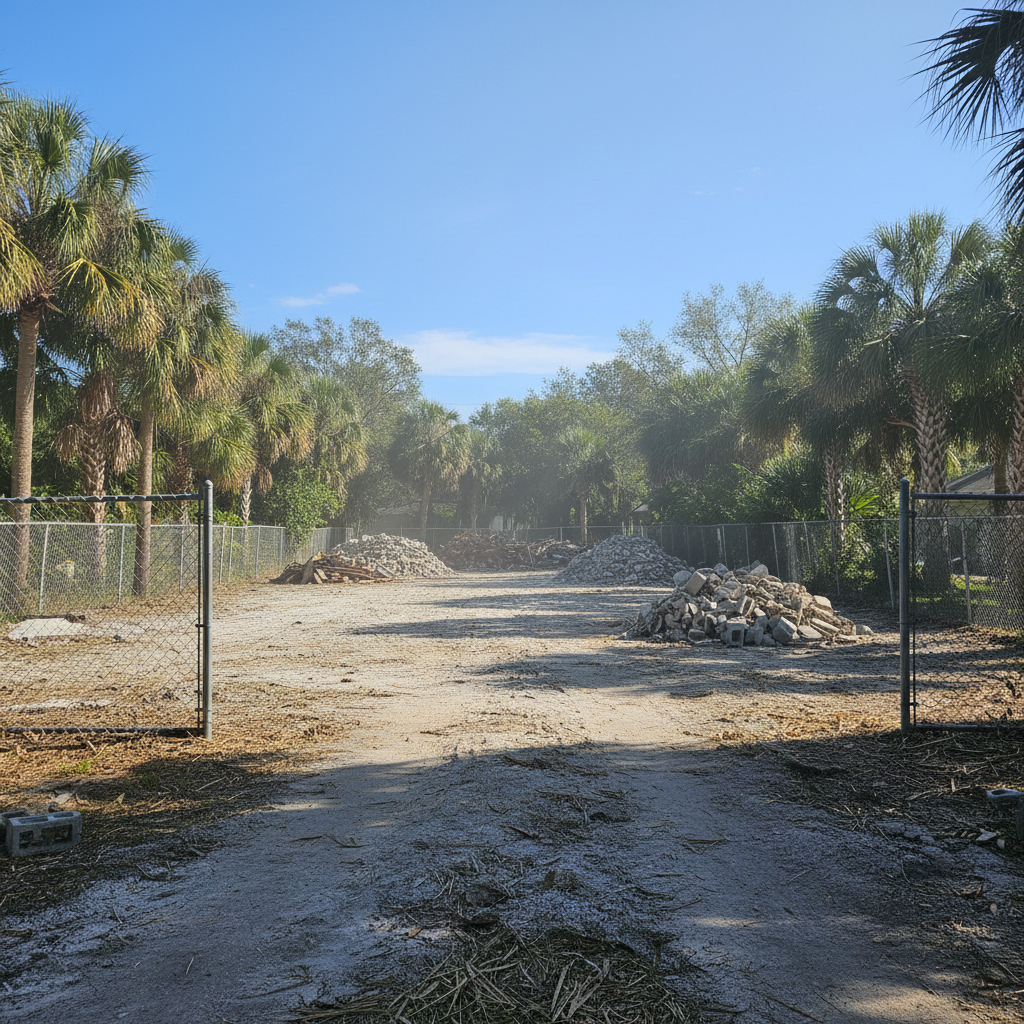
So, you're thinking about tearing down a whole building here in Pensacola. Maybe it's an old place that's just falling apart, or you need to clear the land for something new. Whatever the reason, you're probably wondering when the best time to do it is, and how our wild Florida weather fits into the whole picture. It's not just about getting permits, you know; it's really about smart planning.
When's the Best Time to Schedule Your Demolition?
Honestly, there isn't one "perfect" day, but some seasons are definitely better than others. From what I've seen over my years in this business, the sweet spot for big demolition jobs around here is usually late fall through early spring. Think November to April.
Why Fall/Winter/Early Spring? This is when we typically get our drier, cooler weather. Less rain means less mud, and that's a huge deal when you're moving heavy equipment around. Muddy sites slow everything down, make a bigger mess, and can even be a safety hazard. Plus, the cooler temperatures are just easier on the crew and the machinery. You really don't want guys out there in 95-degree heat with 90% humidity trying to operate heavy machinery all day; it's just not efficient, let alone safe.
What About Summer? You can do a demolition in the summer, but be ready for possible delays. We're talking daily afternoon thunderstorms, tropical depressions, and the constant threat of a hurricane. A good contractor like Midway Demolition will always put safety first and will stop work if conditions aren't safe. Those summer downpours can turn a dry site into a swamp in an hour, and then you're just waiting for it to dry out again.
Hurricane Season: This is a big one for us, running from June 1st to November 30th. While we can work during hurricane season, any active storm in the Gulf means we're glued to the weather channel. If a storm is heading our way, we'll have to secure the site, possibly move equipment, and then just wait it out. That can really mess with your timeline and budget, unfortunately.
Weather Conditions That Affect Demolition Work
It's not just rain, though that's a major factor. Here's what else we're always watching out for:
Heavy Rain & Flooding: I mentioned this already, but it's worth repeating. Our sandy soil here in Pensacola, especially closer to the coast or in low-lying spots like Ferry Pass, can get soaked really fast. Heavy equipment sinks, debris gets heavier, and it makes dust control much harder. We simply can't safely run excavators and loaders if the ground is too soft or actively flooding.
High Winds: This is super important, especially when you're dealing with tall structures or ones with loose parts. High winds can make a controlled demolition unpredictable and dangerous. We won't work in conditions where falling debris could become a projectile, putting people or property at risk.
Lightning: Florida is the lightning capital for a reason, right? If there's lightning anywhere nearby, we stop work. Period. Safety always comes first.
Extreme Heat & Humidity: While we do work through it, extreme heat can slow things down and means the crew needs more breaks. It's just a factor that might make a project take a little longer.
Protecting Your Investment Year-Round
Even after the building is down and all the junk is cleared away, your investment isn't just the cleared land. It's also about the surrounding property and whatever you plan to do next. Here's how we think about it:
Proper Site Preparation: Before we even start, we make sure all utilities are disconnected and the site is secured. This helps prevent accidental damage to public infrastructure and keeps trespassers out.
Erosion Control: This is huge, especially with our heavy rains. Once a building is gone, the ground is exposed. We'll talk about things like silt fences or temporary ground cover to stop erosion and keep soil from washing into storm drains or your neighbor's yard. You definitely don't want to deal with a big muddy mess or fines from the city.
Post-Demolition Grading: After the demo, we'll grade the site to make sure water drains properly. This stops standing water, which can lead to mosquito problems, foundation issues for future builds, or just a swampy lot. A well-graded site is a clean slate for whatever you're planning next.
Debris Removal & Recycling: A clean site isn't just about looking good; it's about preventing hazards and getting ready for your next step. We make sure all debris is properly removed and recycled whenever possible, leaving you with a clear, usable piece of land.
Planning a demolition in Pensacola means you really need to understand our local climate. It's not just about tearing something down; it's about doing it smart, safely, and in a way that sets you up for success. Give us a call at Midway Demolition if you have questions about your specific project. We're happy to walk you through it.