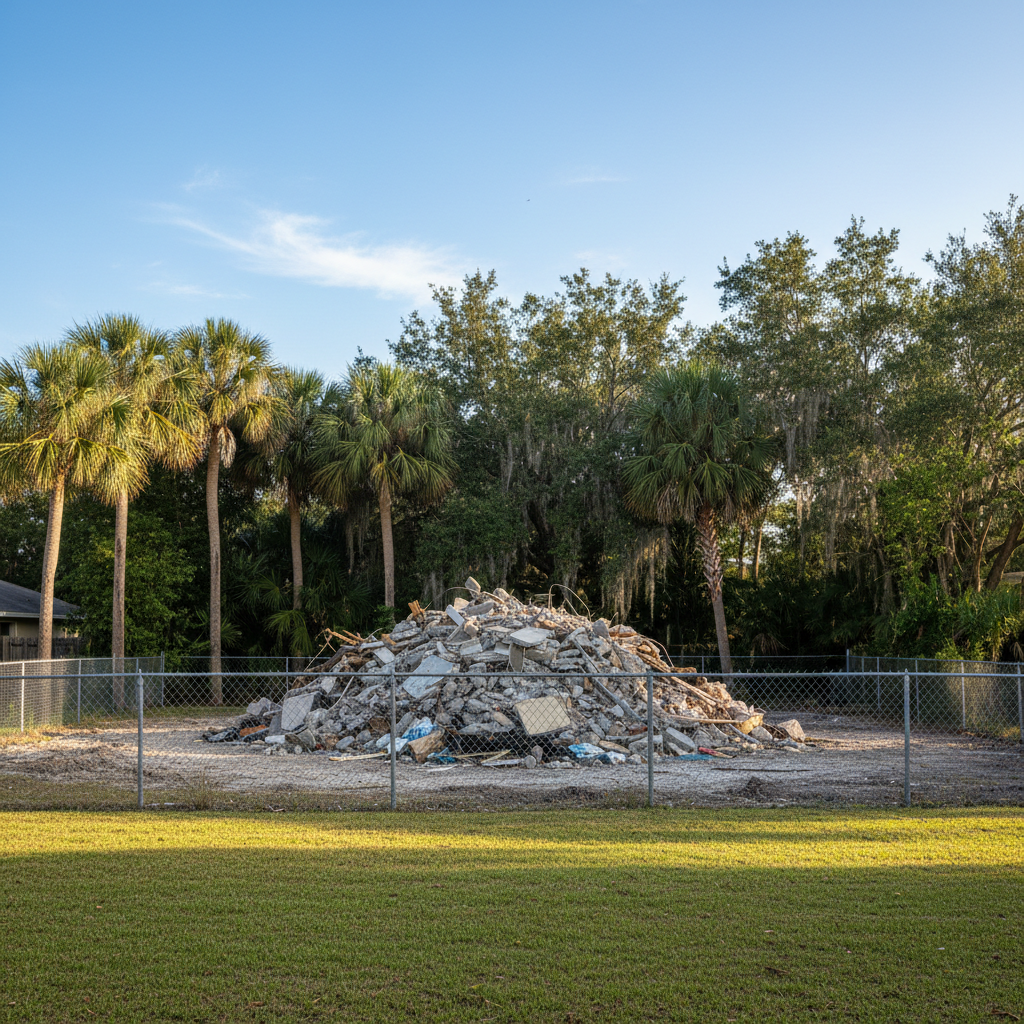
Thinking about a demolition project here in Pensacola? Awesome! But before you pick up the phone, let's chat about something crucial that a lot of folks miss: the weather. It's not just about dodging rain showers; it's really about understanding how our local climate affects everything, from safety on site to your final budget. You definitely wouldn't want your project to get stuck, literally, in a surprise summer storm, would you?
When's the Best Time for Demolition in Pensacola?
Honestly, there isn't one single "perfect" day, but some seasons are definitely better. For most residential demolition jobs, I'd say late fall, winter, and early spring are your top choices. Why these times? Lower humidity, fewer of those sudden pop-up thunderstorms, and generally more predictable conditions. You're just less likely to deal with a sudden downpour turning your site into a mud pit, which slows everything down and can even make things unsafe. Plus, the summer heat is no joke for the crew, so cooler temperatures mean we can work more efficiently.
That said, sometimes you just can't wait. An emergency demolition after a hurricane, for instance, isn't going to hold off until November. In those situations, we just plan extra carefully for whatever Mother Nature decides to throw our way.
How Pensacola Weather Really Affects Your Demolition Project
Our weather isn't just about sunshine and beaches; it's a huge factor in construction and demolition work. Here's what I've seen over the years:
- Rain and Soil Conditions: Pensacola's sandy soil, especially in places like Gulf Breeze or along the bayous, can get soaked super fast. A few days of heavy rain can turn a stable site into a muddy mess. This makes it harder to run heavy equipment, increases the chance of machinery getting stuck, and can even mess with the stability of any remaining structures or foundations. It means delays, and delays often mean more money out of your pocket.
- Humidity and Moisture: Even when it's not actively raining, our high humidity can cause problems. If you're doing a partial demolition and leaving some structure standing, that constant dampness can actually encourage mold growth in exposed areas. It's something you really need to think about, especially if there's a gap before reconstruction starts up.
- Wind: We don't just get hurricane winds, you know. Even a strong afternoon sea breeze can kick up a ton of dust and debris, especially during demolition. This isn't just annoying; it's a safety risk for both our crew and nearby properties. We always take precautions, but less wind is always, always better.
- Heat: Working in 90-degree heat with high humidity is tough on equipment and even tougher on people. Crews need more breaks, and machines can overheat. Scheduling during cooler months helps keep the project moving along smoothly and safely.
Protecting Your Investment Year-Round
So, what can you, as a homeowner, do to make sure your demolition project goes as smoothly as possible, no matter the season?
- Plan Ahead: If you have some wiggle room, try to aim for those cooler, drier months. Seriously, it makes a big difference.
- Talk with Your Contractor: A good contractor, like us at Midway Demolition, will discuss weather contingency plans with you. We'll go over our strategy for rain, wind, or unexpected heat waves. Don't be shy about asking.
- Site Preparation: Make sure there's good drainage around the site, if you can. Sometimes, even simple things like redirecting rainwater away from the immediate work area can prevent a lot of headaches.
- Temporary Measures: If you're doing a partial demo and leaving parts of your home exposed, talk with your contractor about temporary covers or tarps to protect against sudden downpours or too much sun.
- Be Flexible: Sometimes, even with the best planning, Mother Nature has other ideas. Be ready for possible minor delays because of the weather. Your contractor isn't trying to slow things down; they're just trying to keep everyone safe and do the job right.
Ultimately, understanding Pensacola's climate and planning around it is just smart project management. It helps ensure your demolition is done safely, efficiently, and without unnecessary headaches or costs. We're here to help you figure it all out.