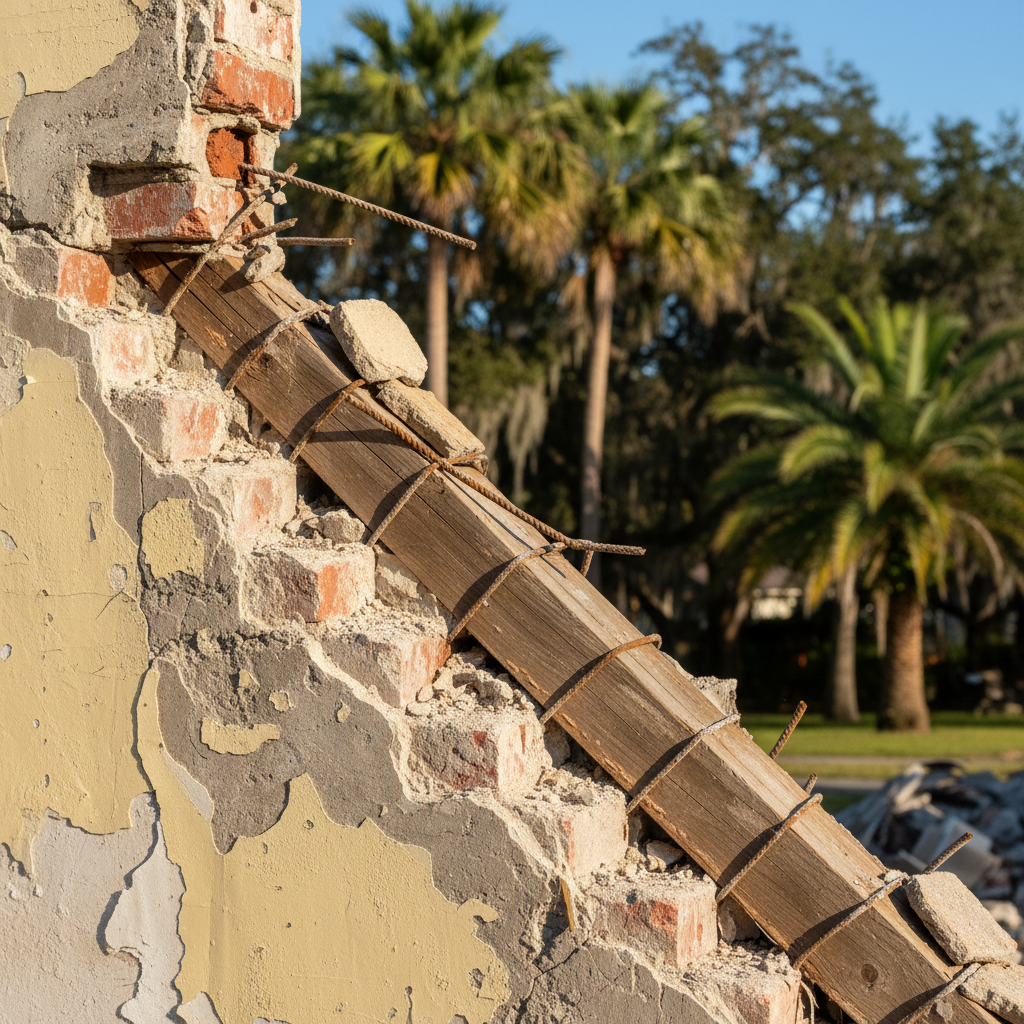
So, you're thinking about knocking out a wall, maybe getting rid of an old porch, or finally tearing down that detached shed that's seen much better days. Partial demolition can be a fantastic way to open up space or get ready for a big remodel. But let's be real: it's not as simple as just grabbing a sledgehammer. You really need to know what you're getting into, especially here in Pensacola.
Before You Swing That Hammer: Planning & Permits
First things first, and I can't say this enough: permits. You might think it's just a little job, but the City of Pensacola or Escambia County usually wants to know if you're messing with your home's structure. This isn't just about bureaucracy, you know? It's about keeping everyone safe. They want to make sure you won't compromise your house's integrity or, heaven forbid, hit a utility line by accident.
You've got to pinpoint exactly what you're taking down. Is it load-bearing? That's a huge question, a really big one. If you remove a load-bearing wall, your roof could actually come down. Seriously. You'll need an engineer or a qualified contractor to check that out. Don't even try to guess. It's just not worth the risk.
Then there are utilities. Water, gas, electric, sewer. Are any of these running through or even close to the area you're planning to demo? You absolutely, positively need to get these disconnected and capped off safely before any work even begins. Call 811 before you dig, even if it's just for a small foundation removal. You definitely don't want to hit a gas line, believe me.
What You Can DIY (and What You Really Shouldn't)
Okay, so what can a homeowner realistically handle themselves? If you're just taking out non-load-bearing drywall, old cabinets, flooring, or interior trim, you can probably manage that. Just make sure you have the right tools and a good dose of common sense. And please, wear proper safety gear: gloves, eye protection, a decent dust mask (or even a respirator, especially if there's any chance of mold or lead paint), and sturdy boots.
But when should you call in a pro? Anytime structural work is involved. If it's a load-bearing wall, an exterior wall, or anything touching the roof, foundation, or major utilities, you need a licensed contractor. This isn't just about having the skills; it's about their insurance, the specialized equipment they use, and knowing the local codes inside and out. Take some of those older homes in East Hill or North Hill, for example — they have unique construction, and you really don't want to mess with that without knowing what you're doing. We've seen people try to save a few bucks and end up with a much bigger, much more expensive headache.
Even for smaller jobs, if you feel uncomfortable, or if you run into unexpected problems like asbestos (which is pretty common in older homes, especially around pipes or in old floor tiles) or a lot of mold, stop right away and call an expert. Those aren't DIY projects, full stop.
During the Demolition: Safety & Containment
Once you've got your permits and you know what you're doing (or who's doing it), safety becomes the absolute top priority. Clear the area. Protect anything you're not planning to demolish. Lay down tarps or plastic sheeting to keep dust and debris contained. This is super important for interior work; dust really does get everywhere, and I mean *everywhere*.
For exterior work, think about the weather. We get some serious pop-up storms here in Pensacola, and you definitely don't want your partially demolished structure exposed to heavy rain and wind. Plan your work for those dry, calm days.
Have a plan for all that debris. You'll make more than you think. Renting a dumpster is almost always a good idea, even for smaller projects. Trying to haul it all yourself in a pickup truck will take forever and probably cost you more in gas and dump fees in the long run. Midway Demolition can help you figure out the right size dumpster for your project.
After the Dust Settles: Cleanup & Next Steps
The demolition isn't truly finished until the site is clean. Get rid of all the debris, nails, screws, and anything else that could cause a hazard. Sweep and vacuum thoroughly. If you're jumping straight into a renovation, you'll want a completely clean slate.
Inspect the remaining structure. Look for any damage that might have happened during the demo, or any issues that got uncovered. This is your chance to fix them before you start building back.
Finally, make sure you close out any permits with the city or county. People often forget this step, but it's important for your property records and for future home sales. It shows that the work was done correctly and inspected.
Partial demolition can be a really satisfying project, giving you a fresh start for your home. Just make sure you approach it with respect for the structure, the rules, and your own safety. When in doubt, call a professional. It's always better to be safe than sorry when we're talking about your home, isn't it?